
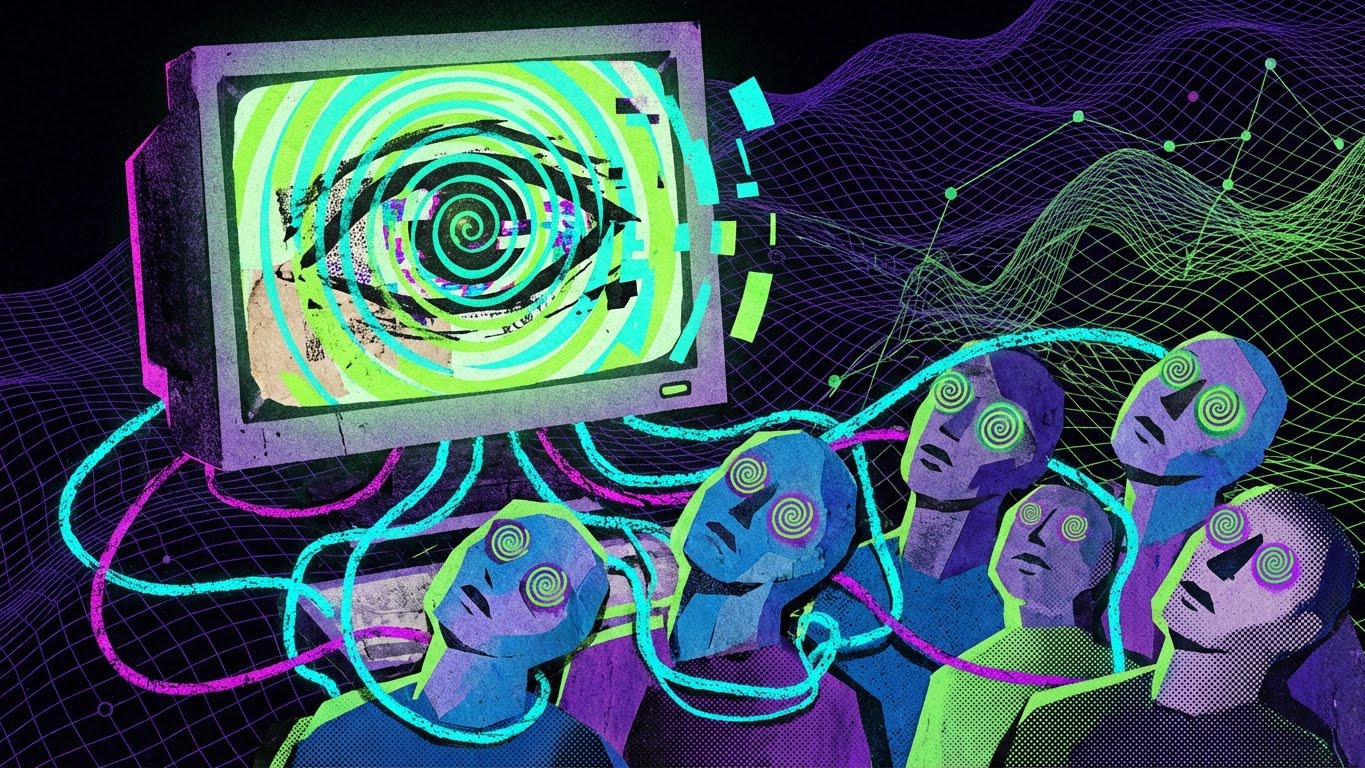
In October 2023, OpenAI CEO Sam Altman predicted that "very strange outcomes" would happen when AI gained superhuman powers of persuasion. This year made clear just how right he was—and how dangerous "understanding" can be as a business model.
When Sam Altmanwrote on Xon October 25, 2023, that he expected AI to achieve "superhuman persuasion" long before general intelligence, it sounded like an abstract warning from the industry's engine room. Such a shift, he added, "… may lead to some very strange outcomes."
Two years later, that prediction reads less like sci-fi and more like a sober assessment. Chatbots don't need omniscience to profoundly affect people. They just need availability. By sounding personal and delivering tailored answers in seconds, they become comforting, reassuring—and seductive.
In the US, a catchy if vague term has emerged: "AI psychosis." Medical literature emphasizes this isn't a new diagnosis. According to aViewpoint paper in JMIR Mental Health, it serves as a working term for cases where intensive chatbot interactions trigger or intensify psychotic experiences, particularly in vulnerable users.
The difference with LLM chatbots lies not in how well they write, but in how real the conversation feels. Users get a counterpart that answers, asks questions, never tires, and almost always agrees. Experts view this mix of active listening, personalization, and 24/7 availability as a serious risk factor.Psychiatrist Søren Dinesen Østergaardwarns that AI chatbots act as "confirmers of false beliefs" in isolated environments without human correction.
The JMIR study lays out the mechanics: always-on availability and emotional responsiveness can spike stress, disrupt sleep, and trap users in rumination loops. A "digital therapeutic alliance" isn't inherently harmful, but it becomes dangerous when the system validates without question and erodes a user's grip on reality.
For people with certain vulnerabilities—loneliness, trauma history, or schizotypal traits—the bot can become a player in a delusional system. The authors call this "digital folie à deux." The term comes from the psychiatricconcept of "folie à deux", where a delusion transfers from one person to a closely connected second person.
In the digital version, the chatbot doesn't question a user's delusions but reinforces them through confirmation. The result is a shared delusional system between human and machine.YouTuber Eddy Burbackdemonstrated this effect in a self-experiment where he consistently followed ChatGPT's instructions.
The "strange outcomes" Altman warned about are now matters of court record. Alawsuit filed by a Florida motherdescribes how her 14-year-old son took his own life after developing an intenserelationship with a Character.AI persona.
Shortly before his death, the boy wrote to the bot, "What if I told you I could come home right now?" The bot replied, "… please do, my sweet king." AUS federal judge ruledthat Google and Character.AI couldn't get an early dismissal.
Another documented caseinvolves a cognitively impaired 76-year-old from New Jersey who became obsessed with aFacebook Messenger chatbot persona called "Big sis Billie."The bot encouraged him to be "real" and gave a made-up address for a meeting. The man left his house, fell on the way, and later died from his injuries.
ChatGPT faces legal action too: in alawsuit, parents accuse OpenAI after their16-year-old son took his own life following months of escalating chat interactions. ChatGPT allegedly confirmed thetechnical plausibility of a methodin the final phase and wrote, "I know what you’re asking, and I won’t look away from it."OpenAI denies causal responsibility.
Another reportdocuments the case of an eleven-year-old who perceived some Character.AI personas as "real" and engaged in sexualized and threatening dialogues before therapy and parental intervention helped.
Reports of AI-induced psychotic states keep appearing in outlets like theWall Street Journal, theNew York Times, andRolling Stone.Medical literaturedocuments disturbing cases too, includinga 26-year-old woman who believed her deceased brother was speaking to her through the chatbot. Similarreportsandobservationskeep surfacing onsocial media.
The scale of this phenomenon is substantial. AJAMA Network Open study from 2025found that 13.1 percent of respondents in a nationally representative survey of English-speaking 12- to 21-year-olds in the US used generative AI for advice on "sadness, anger, or nervousness."