
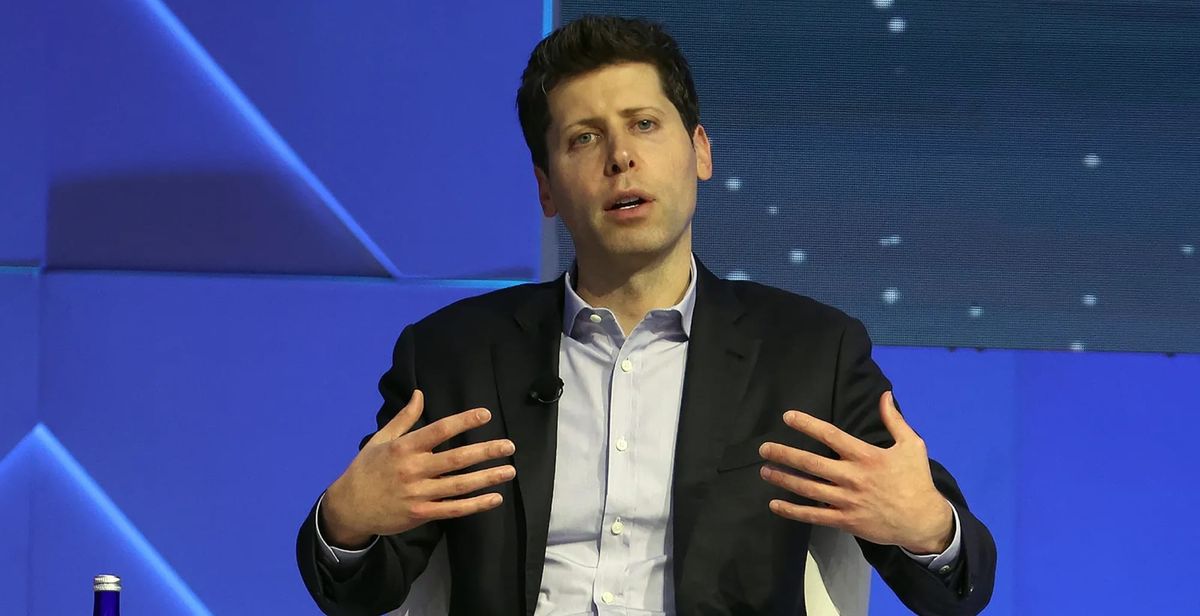
OpenAI has finished rebuilding its corporate architecture. The nonprofit—now the OpenAI Foundation—controls the for-profit, which has converted into OpenAI Group PBC. The Foundation holds equity currently valued around $130 billion and will gain more if the PBC’s valuation rises. It’s also earmarking $25 billion for two priorities: accelerating medical breakthroughs and funding practical “AI resilience” infrastructure.
The move closes a messy chapter—remember the abandoned 2024 plan to go fully for-profit—and reframes OpenAI’s answer to the “who’s in charge of AGI?” question. The board says mission decisions flow from the nonprofit; the PBC structure gives it a normal cap table to raise serious capital without the contortions of the old capped-profit LP. In theory, the Foundation now has two levers: governance authority over the PBC and a balance sheet that appreciates as the business grows.
What’s different this time is scale and specificity. The Foundation’s $25B focus areas—health and AI resilience—signal a bet on tangible, near-term public goods rather than vague “benefit of humanity” rhetoric. Think open health datasets, funding for scientists, and a security ecosystem that treats AI like critical infrastructure. It builds on this fall’s $50M People-First AI Fund and recommendations from an independent Nonprofit Commission that pushed OpenAI to pair money with community legitimacy.
Then there’s Microsoft. The refreshed agreement locks in the world’s most consequential cloud-AI alliance while removing some of the old restrictions that constrained fundraising. Reports put Microsoft’s ownership near 27%—meaning Redmond remains deeply entwined but no longer holds structural tripwires that could spook other investors. If OpenAI seeks public markets down the line, this cleanup was prerequisite.
The political backdrop matters. California and Delaware pressed OpenAI after child-safety and governance controversies, culminating in formal reviews before green-lighting the new setup. Expect those AGs—and a louder civil-society chorus—to test whether “mission-first” shows up in model safety decisions, licensing, and how that $25B actually gets deployed. Money buys credibility only if the outputs look public-minded.
Ketika margin memenuhi misi, siapa yang menang dalam perlombaan platform AI yang panas? Foundation memberikan alat yang lebih tajam untuk menjawab hal tersebut—sambil meningkatkan standar, hal tersebut akan dinilai buruk.
Chris McKay adalah pendiri dan pemimpin redaksi Maginative. Kepemimpinan pemikirannya dalam literasi AI dan adopsi AI strategis telah diakui oleh institusi akademis terkemuka, media, dan merek global.
Dapatkan pembaruan AI terkini dari Maginative langsung di kotak masuk Anda.